How GPS Technology Has Revolutionized Adventure Navigation
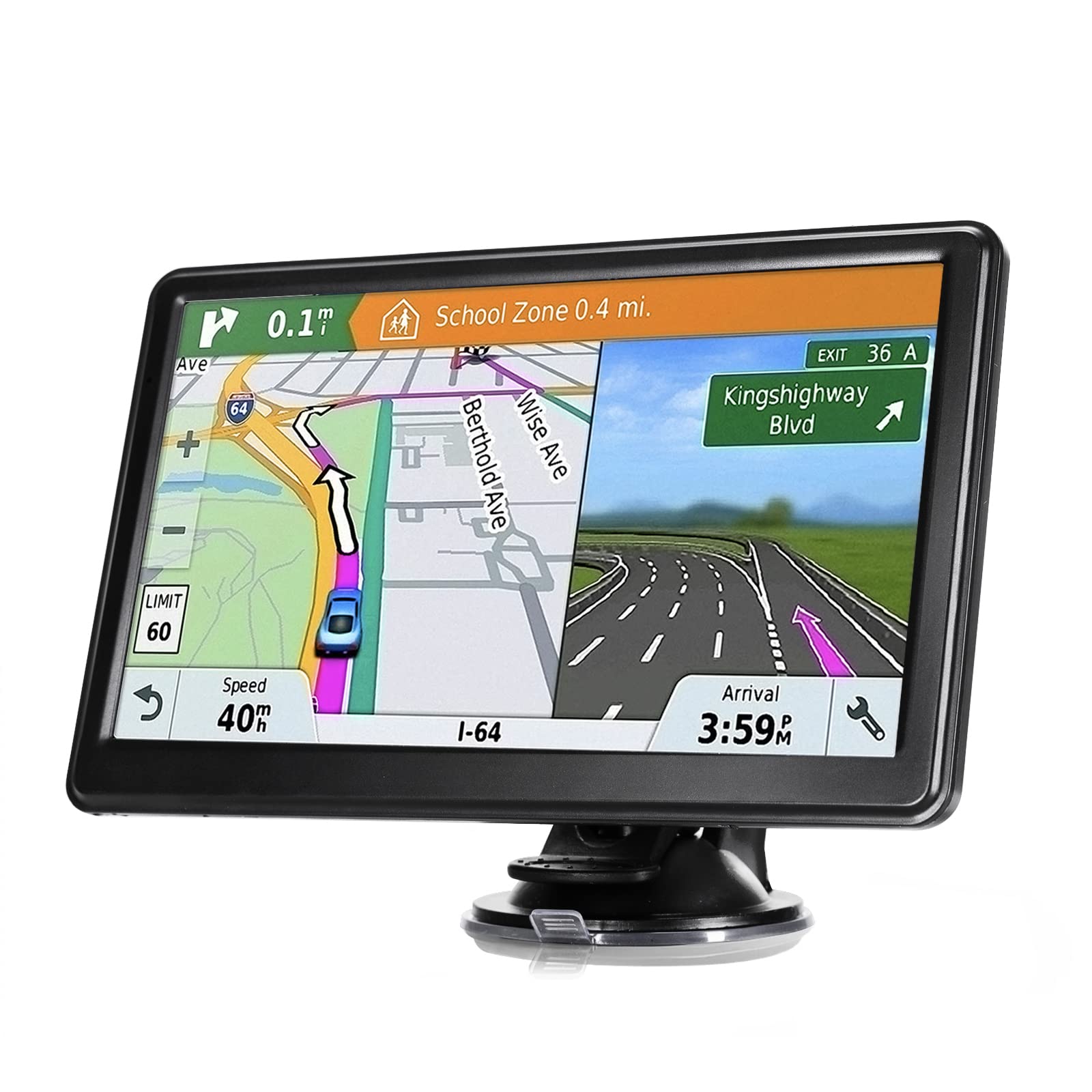
The advent of GPS technology has transformed the way adventurers navigate the great outdoors. Gone are the days of relying solely on paper maps and compasses; with Global Positioning System devices, outdoor enthusiasts can now accurately pinpoint their locations in real-time. This level of precision not only enhances safety but also boosts confidence, allowing explorers to venture into uncharted territories without the constant worry of getting lost. Thanks to GPS, hiking, biking, and other forms of adventure navigation have become more accessible and enjoyable for individuals of all experience levels.
Moreover, the integration of GPS technology into mobile devices and wearable gadgets has further revolutionized adventure navigation. Many modern hiking apps now offer features such as offline maps, trail tracking, and even real-time weather updates, empowering users to tailor their adventures to their liking. These advances allow for a more personalized exploration experience, making it easier to discover hidden gems and scenic routes. As we continue to harness the potential of GPS, the future of adventure navigation looks brighter than ever, promising exhilarating journeys with an unprecedented level of safety and convenience.
Counter-Strike is a highly popular first-person shooter game that focuses on team-based gameplay and competitive matches. Players can choose to be either terrorists or counter-terrorists, engaging in various objectives like bomb planting or hostage rescue. For those looking to keep their pets safe, you may want to check out the Top 10 airtag pet collars to ensure your furry friends don't wander too far.
Top 5 Ways GPS Can Save Your Lost Adventures
In today's world, the advent of technology has transformed the way we explore the outdoors, and GPS systems play a crucial role in ensuring that our adventures remain fun and safe. Here are the top 5 ways GPS can save your lost adventures:
- Real-time Navigation: GPS devices provide real-time navigation assistance, helping you stay on track and avoid getting lost. Whether hiking in the woods or exploring a new city, a reliable GPS will guide you step-by-step.
- Offline Maps: Many GPS applications offer offline maps, allowing you to navigate even without cell service. This feature is essential for adventures in remote locations where connectivity may be unreliable.
- Waypoints and Routes: With GPS technology, you can mark waypoints and plan specific routes. This functionality ensures you can retrace your steps if you deviate from your original path.
- Emergency Location Sharing: Most GPS devices come equipped with an emergency location sharing feature, letting you send your coordinates to friends or family when you're in trouble.
- Tracking Your Progress: GPS allows you to track your progress in real-time, giving you insights into the distance covered and elevation gain, which can enhance your adventure planning.
Is Your Favorite Hiking Trail GPS-Friendly?
Hiking is not only a great way to explore the outdoors but also an opportunity to connect with nature. However, as adventurous as it is, ensuring your safety on the trails is crucial. This brings us to the question: Is your favorite hiking trail GPS-friendly? A GPS-friendly trail is one that is easily navigable with GPS devices and applications. Such trails are often well-marked with clear paths, helping hikers avoid getting lost. To determine if your chosen path meets these criteria, check for trail maps and user reviews on popular hiking forums or apps.
When evaluating the GPS-friendliness of your hiking trail, consider the following factors:
- Clear signage and markers throughout the trail.
- Availability of GPS coordinates and designated waypoints.
- Good mobile reception or accessibility of offline maps.