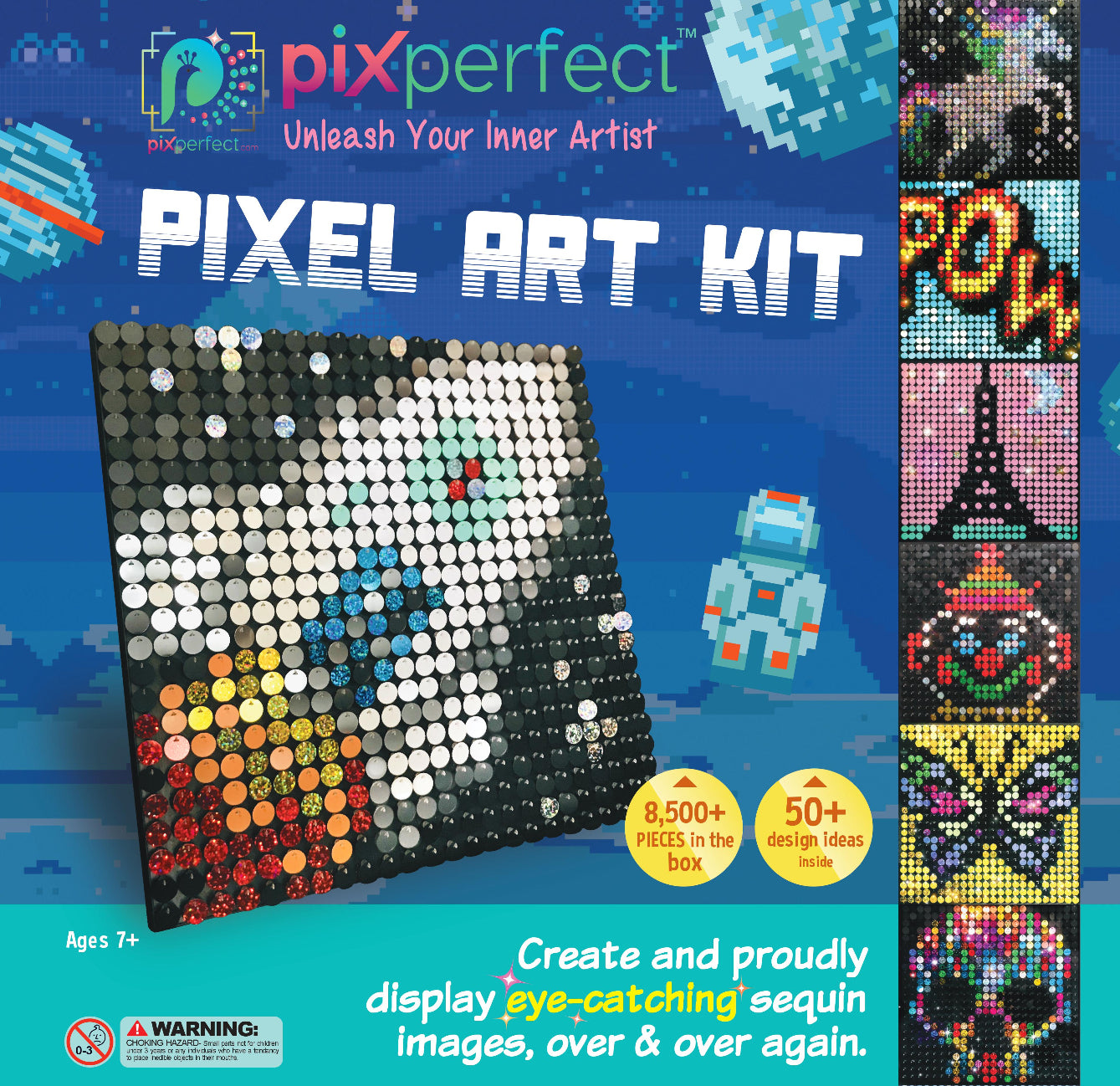
Understanding Pixels: The Building Blocks of Digital Imagery
Understanding pixels is crucial for anyone delving into the world of digital imagery. A pixel, short for 'picture element,' is the smallest unit of a digital image that can be displayed and edited on a digital display device. Each pixel is a tiny square or dot that together creates a larger image, much like the individual tiles of a mosaic. When you zoom in on an image, you can see these tiny squares, which is why it's essential to understand their role in image quality. The more pixels an image has, the higher its resolution and clarity, making it vital for tasks like graphic design, photography, and digital marketing.
When creating digital media, it’s essential to grasp how pixels work in conjunction with resolution and color depth. Resolution refers to the number of pixels in each dimension that can be displayed, often measured in pixels per inch (PPI) or dots per inch (DPI). Higher resolution images contain more pixels and offer finer detail, while lower resolution images may appear blurry or pixelated. Additionally, color depth determines how many colors can be displayed per pixel, which affects the richness and vibrancy of an image. Understanding these fundamental concepts allows creators to optimize their digital content effectively and ensure visually appealing results.
Counter-Strike is a popular multiplayer first-person shooter game that has garnered a massive following since its original release in 1999. The game pits players against each other in various objective-based scenarios, where teamwork and strategy are essential for victory. As players hone their skills and develop strategies, they often seek the best equipment to enhance their gaming experience, including devices like wireless chargers. For those interested in optimizing their mobile gaming setup, check out the Top 10 Wireless Chargers for Pixel Devices.
The Evolution of Pixels: From CRT Screens to High-Definition Displays
The journey of pixels began in the era of CRT screens, where images were displayed using cathode ray tubes. These early monitors created visuals by firing electrons onto a phosphorescent screen, illuminating tiny dots known as pixels. Each pixel, while relatively low in resolution, played a crucial role in the development of digital imaging as we know it today. As technology advanced, the introduction of flat-panel displays and LCD monitors marked a significant shift in pixel evolution, bringing forth a clarity and sharpness that made digital experiences more engaging for users.
Fast forward to the present day, where high-definition displays have transformed the landscape of visual technology. With resolutions like 4K and beyond, the number of pixels packed into screens has exploded, allowing for incredibly detailed and vibrant images. Multi-dimensional displays, along with innovations such as OLED and HDR technology, have further enhanced our visual experiences. Today, pixels are not just points of light; they are integral to how we perceive digital content, making the evolution from CRT screens to high-definition displays a remarkable story of innovation in the visual arts.
How Pixels Influence Design and User Experience in the Digital Age
In the digital age, the concept of pixels plays a pivotal role in both design and user experience. Each pixel on a screen contributes to the overall image quality and clarity, impacting how users perceive digital content. High-resolution images, for instance, can draw users in with vibrant colors and intricate details, whereas low-resolution visuals can lead to frustration and a perceived lack of professionalism. As designers, understanding how to manipulate pixels effectively means creating an engaging and satisfying experience for users, fostering both trust and enjoyment in navigating a website.
Furthermore, the arrangement and use of pixels influence the layout and functionality of a website. A well-structured website that utilizes pixels strategically can guide users seamlessly through content. For example, responsive design incorporates pixel density and resolution into layouts so that users have a consistent experience across devices, whether they are viewing on a smartphone, tablet, or desktop. This adaptability not only enhances the user experience but also boosts a site's SEO, as search engines prioritize mobile-friendly designs. Ultimately, the careful consideration of pixels in both aesthetic and functional aspects of design is crucial in today’s digital environment.