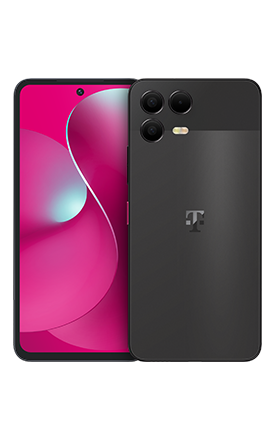
The Digital Chain: Recognizing When Your Phone Has Taken Control
In our increasingly digital world, smartphones have become an extension of ourselves, seamlessly integrating into our daily lives. However, it’s crucial to recognize when your phone has taken control. Signs might include an obsessive need to check notifications, a decrease in face-to-face interactions, or feeling a sense of anxiety without your device. Being conscious of these behaviors is the first step towards regaining control over your digital habits.
To further assess the impact of your phone on your life, consider setting aside specific tech-free times throughout your day. Create a list of activities that foster genuine connections, such as reading a book, taking a walk, or engaging in hobbies that do not involve screens. By recognizing the boundaries of your smartphone usage, you can reclaim your time and mental space, ultimately leading to a more balanced and satisfying life.
Counter-Strike is a popular first-person shooter game that has captivated gamers around the world since its release. Originally a mod for Half-Life, it has evolved into a franchise with multiple versions, including Counter-Strike: Global Offensive. Players engage in team-based tactical gameplay, with one team playing as terrorists and the other as counter-terrorists. It has a vibrant esports scene and offers a variety of maps and game modes. For those looking to enhance their content creation in gaming, check out the Top 10 Mobile Vlogging Accessories, which can help improve the quality of gaming videos.
Reclaiming Your Time: Tips to Break Free from Mobile Addiction
In today's hyper-connected world, mobile addiction has become a common struggle for many. Constant notifications and the endless scroll of social media can lead to significant distractions and a decrease in productivity. To reclaim your time, start by identifying your mobile usage patterns. You can do this by using built-in screen time trackers or third-party apps that provide insights into how much time you spend on your device. Once you have this awareness, you can establish specific limits. Set aside designated times for checking your phone, rather than allowing it to interrupt your daily tasks.
Another effective strategy is to create phone-free zones and times in your daily routine. For instance, during family meals or the first hour after waking up, keep your phone out of reach. This helps to foster deeper connections with the people around you and allows your brain to focus on the present moment. Additionally, consider replacing the time spent on your phone with activities that encourage mindfulness and creativity, such as reading a book, going for a walk, or engaging in a hobby. By implementing these strategies, you can significantly reduce your dependence on your mobile device and reclaim your time.
Is Your Mobile Mastering You? Questions to Reflect On
In our fast-paced digital age, it's easy to feel that our mobile devices have taken over our lives. Consider this: Is your mobile mastering you? Reflect on the amount of time you spend on your device daily. You might want to ask yourself these questions:
- How many hours do I spend scrolling through social media?
- Am I using my mobile for productive tasks, or is it primarily for entertainment?
- How often do I feel a sense of anxiety when my phone is not within reach?
Moreover, think about the relationship you have with your mobile device. Are you hinging on it for connections and validation, or is it a tool that enhances your life? Consider asking:
- Do I reach for my phone during meals or conversations?
- How do I feel when notifications interrupt my day?
- Is my mobile use impacting my sleep patterns?