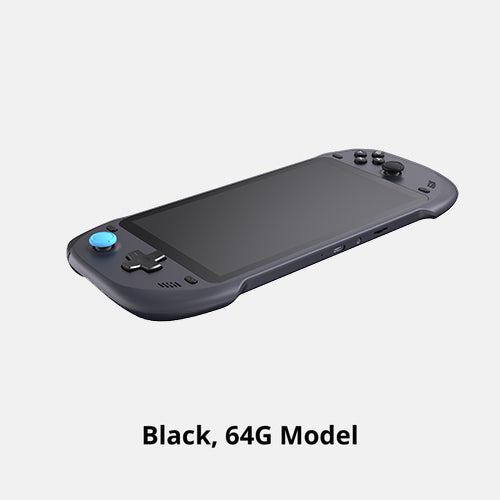
The Impact of Handheld Devices on Daily Productivity: A Comprehensive Overview
The advent of handheld devices has revolutionized the way we approach our daily tasks and manage our time. These compact gadgets, particularly smartphones and tablets, offer unparalleled convenience, allowing individuals to stay connected and organized while on the go. With the integration of various productivity apps, from your favorite to-do list managers to advanced calendar systems, users can streamline their workflows effectively. As a result, many people report a significant increase in their daily productivity, as these devices enable them to tackle both personal and professional responsibilities seamlessly, irrespective of their location.
However, the impact of handheld devices on productivity is not without its challenges. While they provide tools that can enhance efficiency, the constant notifications and distractions inherent in these devices can lead to decreased focus and increased procrastination. It is essential to find a balance by utilizing features such as 'Do Not Disturb' and app usage trackers to mitigate distractions. Furthermore, studies indicate that individuals who establish structured time blocks for device use experience a marked improvement in their overall efficiency. Therefore, recognizing both the positive and negative implications is crucial for leveraging handheld devices to maximize productivity in our daily lives.
Counter-Strike is a popular tactical first-person shooter video game that has captivated millions of players worldwide. The game emphasizes teamwork and strategy, where players can choose to play as either terrorists or counter-terrorists. For those interested in enhancing their gaming experience, it's vital to have the right equipment, including sound capture quality. For recommendations, check out the Top 10 iPhone microphones that can elevate your audio experience.
Handheld Devices vs. Traditional Tools: Which Supports Modern Life Better?
In the ever-evolving landscape of technology, handheld devices have emerged as essential companions for daily life, providing unparalleled convenience and connectivity. Unlike traditional tools, which often require specific skills and resources, handheld devices like smartphones and tablets offer a suite of functionalities at our fingertips. Tasks that once required multiple tools or extensive knowledge can now be accomplished through simple apps, making them accessible to a wider audience. For instance, managing finances, accessing information, or even communication can all be done instantaneously, thereby enhancing productivity in both personal and professional realms.
However, traditional tools still hold significant advantages that handheld devices may struggle to replicate. For example, when it comes to certain tasks such as cooking, gardening, or crafting, there’s something irreplaceable about the tactile nature of traditional tools. These tools not only provide a more hands-on experience but also foster a deeper connection to the task at hand. Additionally, many traditional tools are built to last, reducing the environmental impact associated with the continual turnover of handheld technology. Ultimately, the choice between handheld devices and traditional tools comes down to the specific needs and preferences of the user, reflecting the ongoing balance between modern convenience and timeless craftsmanship.
Are Handheld Devices Enhancing Our Human Connections or Fragmenting Them?
In today's fast-paced digital landscape, handheld devices have become ubiquitous, significantly altering the way we connect with one another. On one hand, these devices enhance our human connections by providing instant access to communication through social media, messaging apps, and video calls. People can maintain relationships over long distances, share their lives in real-time, and participate in online communities that resonate with their interests. This constant connectivity fosters a sense of belonging, allowing individuals to gather in virtual spaces to exchange ideas and emotions.
However, the reliance on handheld devices also raises concerns about fragmentation in our interpersonal relationships. While we may be connected to a wider network of people online, many of us find it challenging to engage meaningfully with those physically present. Studies suggest that excessive screen time can lead to social isolation and a decline in face-to-face interactions. As the lines blur between virtual and real-world connections, we must ask ourselves: are our devices bridging the gap or widening it?