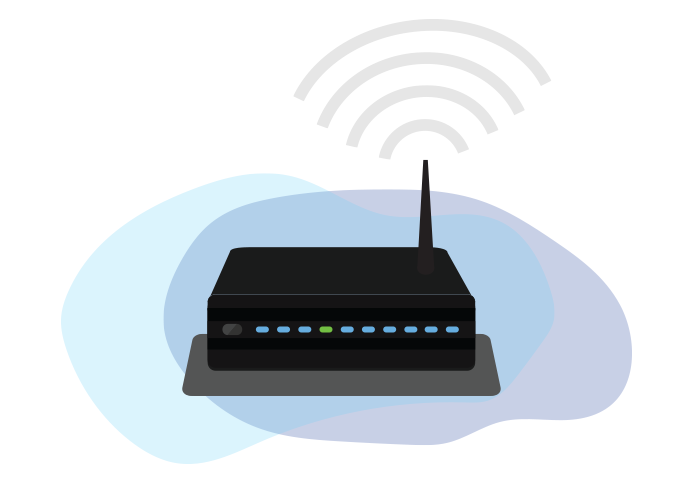
The Magic of Wi-Fi: How Wireless Technology Transforms Our Daily Lives
The advent of Wi-Fi technology has revolutionized our daily interactions, creating a world where staying connected is easier than ever. From accessing information instantaneously to enjoying seamless communication with loved ones, wireless internet has become an indispensable part of our lives. Today, whether we're working from home, attending online classes, or simply streaming our favorite shows, the power of Wi-Fi enhances our capabilities and efficiency. In fact, studies show that nearly 80% of internet users rely on Wi-Fi connections for their online activities, highlighting its significance in our modern lifestyle.
Moreover, the influence of wireless technology extends beyond personal convenience; it fosters innovation and supports various sectors, from education to healthcare. For instance, schools leverage Wi-Fi to offer digital learning resources, enabling students to access a plethora of educational content effortlessly. Similarly, hospitals utilize Wi-Fi networks to streamline patient services and facilitate immediate access to critical data. Overall, the magic of Wi-Fi not only enhances personal experiences but also propels societal advancements, making it a fundamental element of contemporary life.
Counter-Strike is a highly popular first-person shooter game that pits teams of terrorists against counter-terrorists in various objective-based scenarios. The game emphasizes teamwork, strategy, and skill, often leading to competitive play at both casual and professional levels. Players can also enhance their gaming experience with various accessories; for example, check out these Top 10 Google Pixel Accessories to improve your setup!
Exploring the Spectrum: Understanding the Invisible Waves of Wireless Communication
Exploring the Spectrum goes beyond the visible realm, diving deep into the invisible waves that facilitate wireless communication. Our everyday devices—smartphones, tablets, and even smart home systems—rely heavily on a range of electromagnetic frequencies to transmit data. These invisible waves travel through the air, allowing us to connect with the world around us without the constraints of physical connections. Understanding these frequencies not only increases our appreciation of modern technology but also highlights the importance of spectrum management to ensure efficient use of available bandwidth.
At the heart of wireless communication lies the electromagnetic spectrum, which is divided into various segments, each serving different technologies. For instance, Wi-Fi operates within the 2.4 GHz and 5 GHz bands, while mobile networks utilize a variety of frequencies ranging from megahertz (MHz) to gigahertz (GHz). Understanding these distinctions is crucial for consumers and industry professionals alike as it informs choices in technology adoption and policy-making. As we continue to explore the spectrum, we must also consider future innovations and the potential for new applications that will reshape how we communicate wirelessly.
Are We Truly Connected? The Impact of Wireless Networks on Human Interaction
In the modern world, the question Are we truly connected? extends beyond mere physical presence. Wireless networks, with their ability to bridge geographical gaps instantaneously, have revolutionized the way we interact. Social media platforms, instant messaging apps, and video calls allow us to maintain relationships regardless of distance. However, this convenience often leads to a paradox where, despite constant digital interaction, genuine human connection may diminish. Studies reveal that while we are more connected than ever, many report feelings of loneliness and isolation, suggesting that the depth of our interactions may not measure up to their frequency.
Furthermore, the impact of wireless networks on human interaction can be observed in various settings. For instance, in professional environments, virtual meetings have become the norm, replacing face-to-face discussions. While this shift enhances productivity and flexibility, it can also hinder the warmth of personal engagement. A survey conducted in 2022 indicated that over 60% of employees felt more connected through in-person meetings compared to virtual ones. These findings highlight the necessity of balancing our digital communication with real-life interactions to foster authentic relationships and ensure we are not merely connected, but truly engaged with one another.